Email deliverability trends worth paying attention to in 2026
The Mailyte team · · 6 min read
Inbox providers have quietly raised the bar again this year. What counted as "good enough" authentication in 2024 is now a fast track to the spam folder — and most teams don't find out until delivery rates have already dropped.
We look at deliverability data across Mailyte-hosted domains every week. Here's what actually changed, and what we'd prioritise if we were starting from zero today.
1. DMARC enforcement is no longer optional
A p=none DMARC policy used to be an acceptable first step. Increasingly, major providers treat it as barely better than having no policy at all. If your domain still isn't at quarantine or reject, this is the year to move.
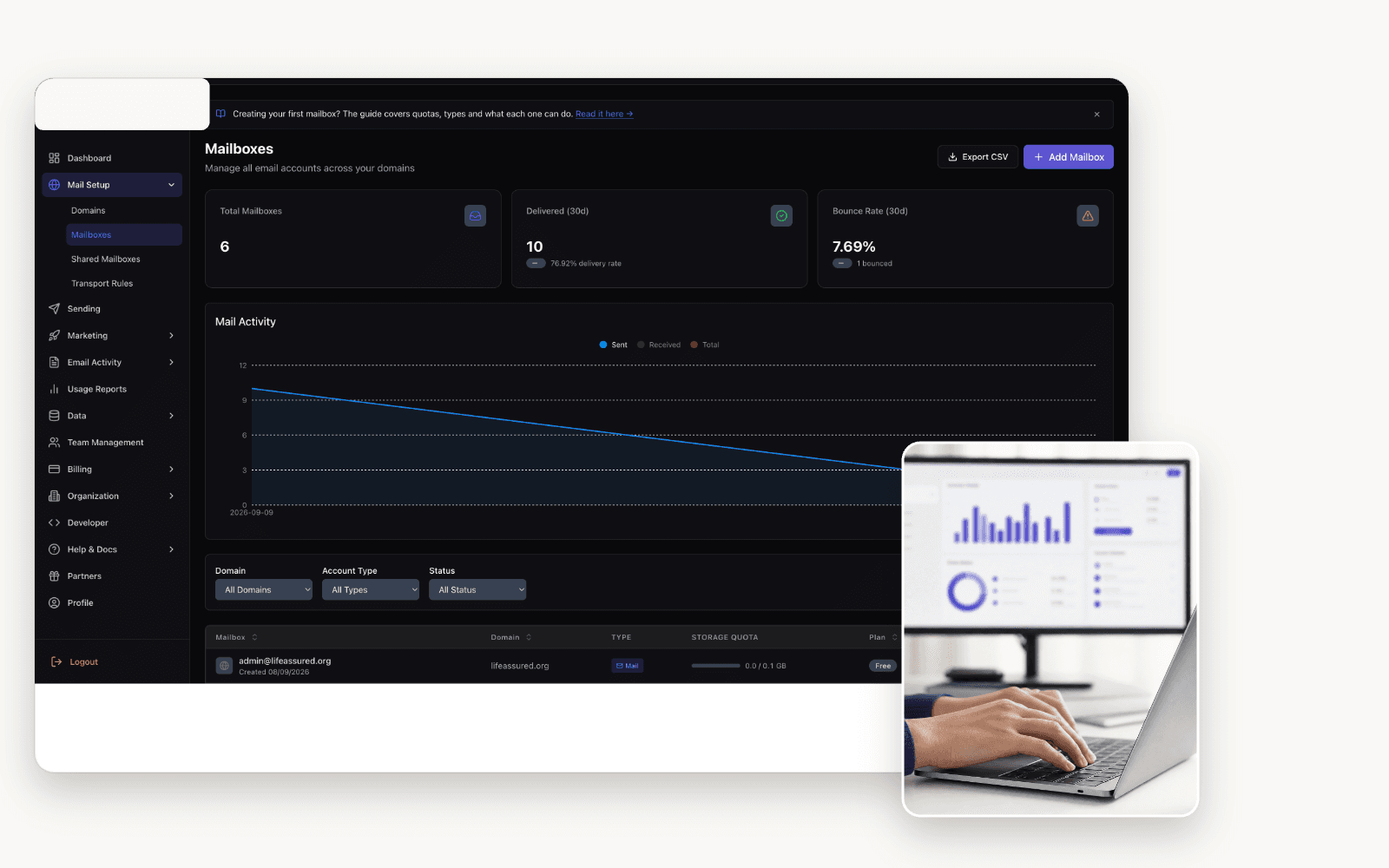
Moving safely means watching what your own aggregate reports say first. That only works if the mailbox in your rua= address actually exists — a surprising number of domains publish a reporting address nobody ever created, and every report bounces silently.
2. One-click unsubscribe is now enforced, not just recommended
Bulk senders that don't support one-click unsubscribe headers are seeing messages routed straight to spam, regardless of how clean their sending reputation otherwise looks.
The header has to be real: a List-Unsubscribe URL that responds to a POST and actually suppresses the address, not a link to a preferences page behind a login.
3. Warm-up matters more for new domains
- Start any new sending domain at low volume and increase gradually over two to three weeks.
- Send to your most-engaged recipients first — opens and replies build reputation faster than raw volume.
- Keep bounce rate under 2% from day one; providers weigh early signals heavily.
4. Authentication checks now run continuously, not just at setup
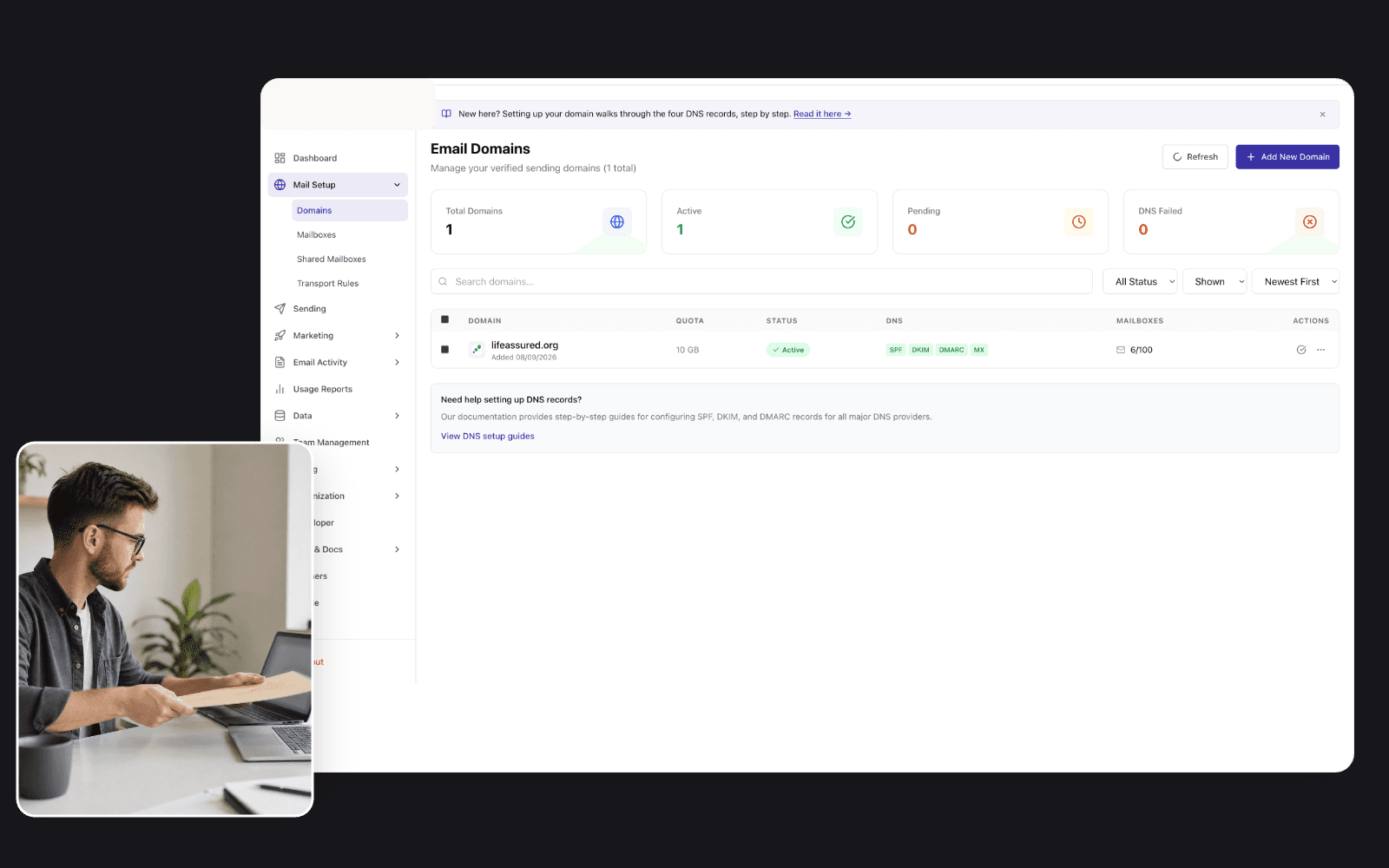
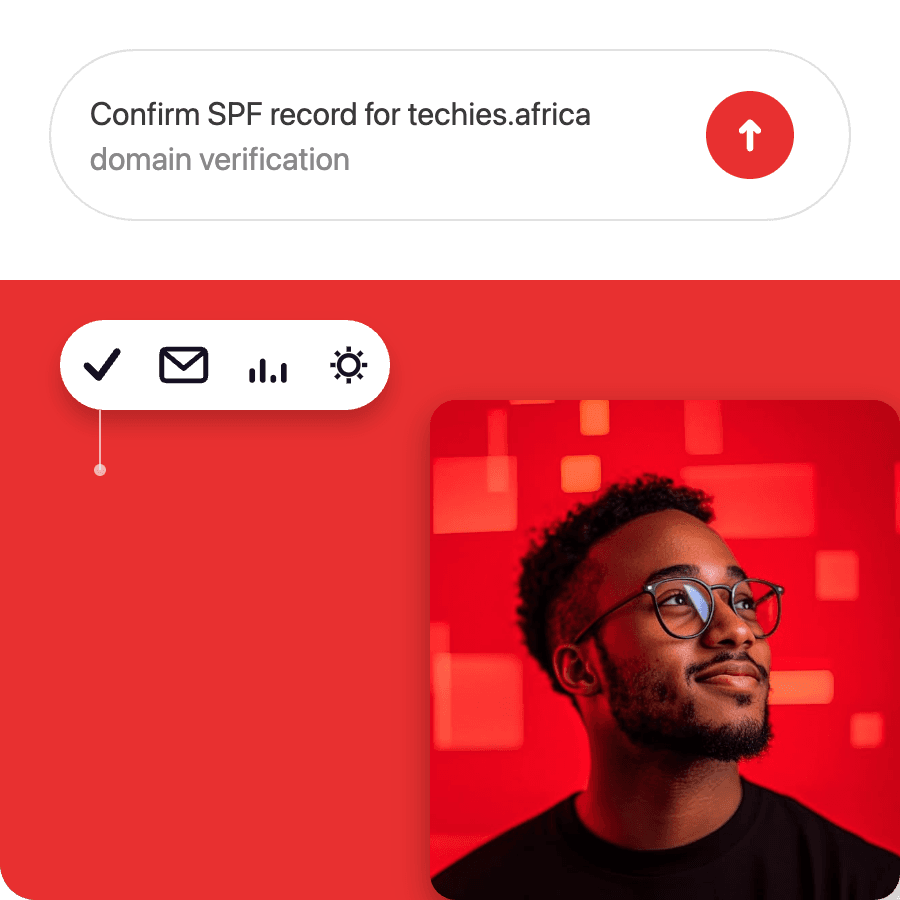
SPF, DKIM and DMARC records can silently break — an expired key, a DNS change from another team, a forgotten renewal. The teams with the best deliverability check these continuously rather than once at launch, which is exactly why we built live re-verification into Mailyte.
The takeaway
None of this is complicated once you know it's expected. The domains that struggle are almost always the ones where authentication was set up once, in a hurry, and never checked again.